 Designed, Machined & Assembled in America

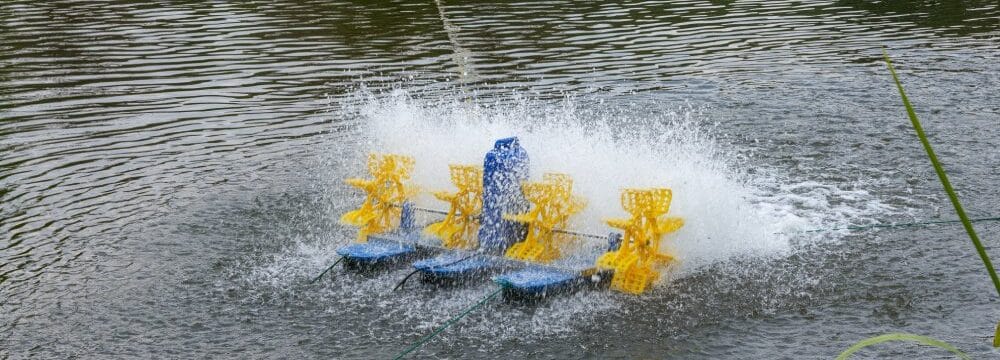
A healthy pond is a living, breathing ecosystem. When oxygen levels are balanced, fish thrive, water stays clear, and algae remain under control. But when oxygen drops, everything can change quickly—fish start gasping at the surface, unpleasant odors emerge, and murky water takes over. That’s where the right pond aeration system makes all the difference.
Whether you manage a decorative backyard pond or a large-scale aquaculture setup, proper aeration keeps your water clear, balanced, and full of life. Here’s how to improve your pond’s overall health by selecting and maintaining the right system.
Why Oxygen Matters
Oxygen is the lifeblood of any pond ecosystem. Fish, plants, and beneficial bacteria all depend on it to function properly. However, ponds naturally lose oxygen through heat, biological waste, and lack of circulation—especially in the summer. Without enough oxygen:
- Fish and aquatic organisms struggle to survive.
- Algae and harmful bacteria multiply rapidly.
- Organic matter builds up, creating sludge and foul odors.
An aeration system continuously circulates air and water, restoring balance and supporting all the natural processes that keep a pond healthy.
Key Benefits of Pond Aeration
Healthier Fish and Aquatic Life
Consistent oxygen levels help fish grow faster and reduce stress. A properly aerated pond also prevents “oxygen crashes,” which can cause mass die-offs in hot or stagnant conditions.
Natural Algae Control
Aeration disrupts the stagnant zones where algae thrive. By circulating water and supporting beneficial bacteria, the system helps break down excess nutrients before algae can feed on them.
Improved Water Clarity
When bottom sediments and organic matter are oxygenated, they decompose naturally rather than building up into murky sludge. Over time, your pond becomes visibly clearer and healthier.
Reduced Odors
Poorly oxygenated water produces hydrogen sulfide and methane—the culprits behind that “rotten egg” smell. Aeration keeps water moving, preventing these gases from forming.
Types of Pond Aeration Systems
Choosing the right system depends on your pond’s size, depth, and purpose. Each type offers unique advantages:
Diffused (Bottom) Aeration Systems
- Ideal for deep ponds (over 6 feet).
- Use air compressors and diffusers placed on the pond bottom.
- Produce small bubbles that rise slowly, circulating the entire water column.
- Great for large ponds, fisheries, and aquaculture applications.
Diffused aeration is efficient and nearly invisible on the surface—perfect for owners who value both performance and aesthetics.
Surface Aerators
- Best for shallow ponds (under 6 feet).
- Pull water from below and throw it into the air, increasing oxygen exchange at the surface.
- Often used in wastewater treatment or high-density fish ponds.
They’re powerful but may require more maintenance due to moving parts exposed to water.
Fountain Aeration Systems
- Combine aeration with visual appeal.
- Create elegant surface displays while circulating upper water layers.
- Perfect for decorative ponds, resorts, and residential landscapes.
While fountains don’t mix deep water as effectively as diffused systems, they’re excellent for aesthetic environments where oxygenation and beauty go hand in hand.
Performance Tips for Efficient Aeration
Size Your System Correctly
Undersized systems won’t oxygenate the entire pond, while oversized ones waste energy. Measure your pond’s surface area and depth to calculate airflow (CFM) and pressure (PSI) requirements. Manufacturers often provide sizing charts or calculators to guide you.
Optimize Diffuser Placement
For bottom aeration, install diffusers in the deepest areas for maximum water circulation. Large ponds may require multiple diffusers to reach all zones evenly.
Run the System Consistently
In warm weather, operate your system 24/7 to maintain stable oxygen levels. During cooler months, you can run it less frequently but keep some movement to prevent stratification.
Use Energy-Efficient Compressors
An energy-efficient, oil-less compressor reduces operational costs and delivers clean air without contamination. TruNorth Components offers reliable compressors for environmental equipment designed for long-term pond aeration performance.
Maintain Regularly
Clean diffusers, check air filters, and inspect tubing for leaks or blockages. Well-maintained systems operate quietly and efficiently for years.
Seasonal Aeration Considerations
Summer
Warm water holds less oxygen, and fish metabolism increases. This is when your aeration system does its most important work—keep it running around the clock to prevent oxygen depletion.
Winter
In colder climates, aeration prevents ice from completely sealing the pond’s surface. This allows gases to escape and oxygen to enter, supporting fish through the winter months.
Spring and Fall
Gradual startup and shutdown are key. Turning a system on too quickly after a long dormant period can stir up low-oxygen water from the bottom, temporarily shocking fish.
Common Aeration Mistakes to Avoid
- Using the wrong type of system for pond depth or size.
- Placing diffusers too shallowly reduces circulation efficiency.
- Skipping maintenance leads to clogged diffusers and reduced airflow.
- Turning off aeration too soon during seasonal transitions.
Each of these mistakes can lead to oxygen imbalance, water stagnation, or stress on aquatic life.
Final Thoughts
A well-designed aeration system doesn’t just add bubbles—it creates a thriving aquatic ecosystem. With the right pond aeration system from TruNorth Components, you can enhance fish health, reduce algae growth, and maintain crystal-clear water year-round. Whether you’re managing a decorative pond, a natural habitat, or an aquaculture facility, effective aeration is the key to keeping your water balanced, beautiful, and alive.