 Designed, Machined & Assembled in America

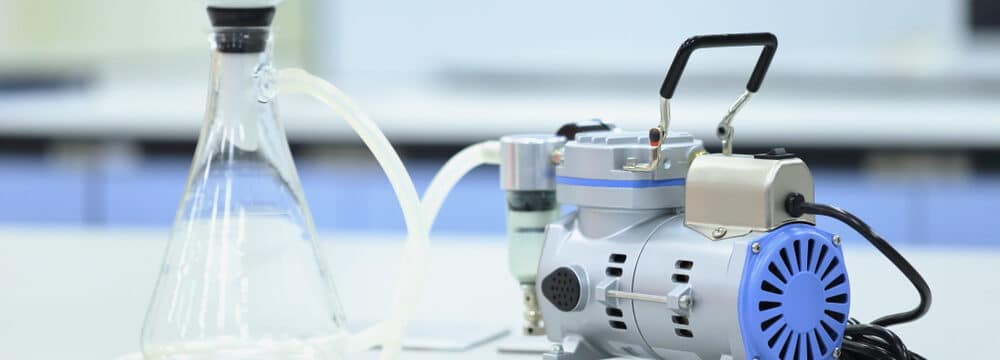
Filtration systems are the backbone of clean water, safe air, and environmental monitoring. From municipal water treatment plants to laboratory sampling, the ability to move, filter, and analyze fluids and gases reliably is crucial. At the heart of many of these processes are vacuum pumps for filtration, which provide the suction and controlled airflow needed to remove contaminants, maintain system efficiency, and support accurate testing.
Whether you’re managing wastewater treatment, environmental testing, or HVAC air purification, understanding how vacuum pumps integrate into filtration systems can help you improve reliability, performance, and safety.
The Role of Vacuum Pumps in Filtration
Vacuum pumps are used to create negative pressure in filtration systems, which pulls liquid or air through a filter medium. This process removes impurities and ensures that the filtered fluid or air meets quality standards. The key functions include:
- Contaminant Removal: Pumps pull water or air through membranes, cartridges, or other filter media to trap particles, sediment, or harmful microorganisms.
- Sampling Support: In environmental monitoring, vacuum pumps assist in drawing air or water samples through collection devices for lab analysis.
- System Efficiency: By maintaining consistent pressure, vacuum pumps ensure that filtration systems operate at optimal flow rates and do not clog or fail prematurely.
Applications in Environmental Testing
Environmental agencies and laboratories rely on filtration systems for accurate monitoring of water and air quality. Vacuum pumps play a critical role in:
- Air Sampling: Vacuum pumps draw ambient air through particulate or chemical sampling filters. This is essential for monitoring pollutants, allergens, or chemical residues.
- Water Sampling: In lakes, rivers, or industrial effluent, pumps ensure that water is drawn consistently through testing cartridges, enabling precise measurements of contaminants such as nitrates, metals, or microbes.
- Analytical Instrument Support: Many laboratory instruments, including chromatography and spectrometry systems, require vacuum-assisted filtration for sample preparation.
By maintaining precise vacuum levels, these pumps prevent contamination, ensure reproducibility, and support regulatory compliance.
Wastewater Treatment and Industrial Filtration
In wastewater management, filtration systems are critical for removing solids, oils, and chemicals before water is released into the environment. Vacuum pumps support these systems by:
- Maintaining suction across gravity and pressure-fed filter beds.
- Assisting in sludge dewatering and clarifying water for downstream treatment.
- Ensuring reliable operation of ultrafiltration and microfiltration systems that remove fine particulate matter.
Industries like food and beverage, pharmaceuticals, and chemical processing also rely on vacuum pumps to keep filtration systems running smoothly, reducing downtime and improving overall water and air quality.
HVAC and Air Filtration Systems
High-efficiency air filtration systems in commercial and industrial HVAC units often use vacuum pumps to:
- Remove dust, pollen, and airborne contaminants from recirculated air.
- Support HEPA or ULPA filter maintenance by ensuring consistent airflow and pressure.
- Enhance indoor air quality in hospitals, labs, and cleanrooms where air purity is critical.
Vacuum pumps ensure that the filters are operating within their designed pressure range, maximizing their effectiveness and lifespan.
System Integration and Diagrams
While each application varies, most vacuum pump-based filtration systems share common elements:
Pump Unit – Creates vacuum to pull fluid or air.
Filter Medium – Traps contaminants. Can be cartridge, membrane, or mesh-based.
Collection Reservoir – Holds filtered fluid or captured particles.
Control Valves and Sensors – Regulate vacuum levels, flow, and pressure.
Illustration Concept:
Imagine a diagram showing a vacuum pump connected to a filtration cartridge, with arrows indicating the flow of air or water through the filter into a collection chamber. Sensors monitor vacuum and trigger alerts if pressure drops, ensuring uninterrupted operation.
This setup can be scaled from small lab-based filtration units to large municipal water treatment systems.
Performance Tips for Filtration Vacuum Pumps
To maximize efficiency and longevity, consider the following:
- Proper Sizing: Match the pump capacity to the filtration system’s flow rate and vacuum requirements. Oversized pumps waste energy, while undersized pumps risk system failure.
- Oil-Free vs Oil-Lubricated: Oil-less pumps prevent contamination in sensitive environments, while oil-lubricated pumps may provide longer service life in heavy-duty industrial systems.
- Regular Maintenance: Check seals, diaphragms, and tubing for wear. Replace filters and clean reservoirs to prevent blockages.
- Consistent Monitoring: Use gauges or digital sensors to track vacuum levels and detect leaks or performance drops early.
TruNorth Components offers vacuum pumps for filtration designed for continuous operation, low maintenance, and precise vacuum control—ideal for critical environmental and industrial applications.
Key Benefits of Using Reliable Vacuum Pumps
- Enhanced System Reliability – Reduces downtime and ensures continuous filtration.
- Improved Water and Air Quality – Maintains consistent contaminant removal and accurate sampling.
- Regulatory Compliance – Supports environmental monitoring standards by providing repeatable results.
- Energy Efficiency – Optimized pumps reduce power consumption while maintaining performance.
Final Thoughts
Whether in environmental labs, wastewater facilities, or HVAC systems, vacuum pumps are indispensable to filtration operations. A well-chosen, reliable vacuum pumps for filtration system ensures continuous contaminant removal, precise sampling, and optimal system performance. TruNorth Components provides pumps engineered for durability, low maintenance, and clean operation, making them a trusted partner in keeping water and air filtration systems running smoothly around the clock.