 Designed, Machined & Assembled in America

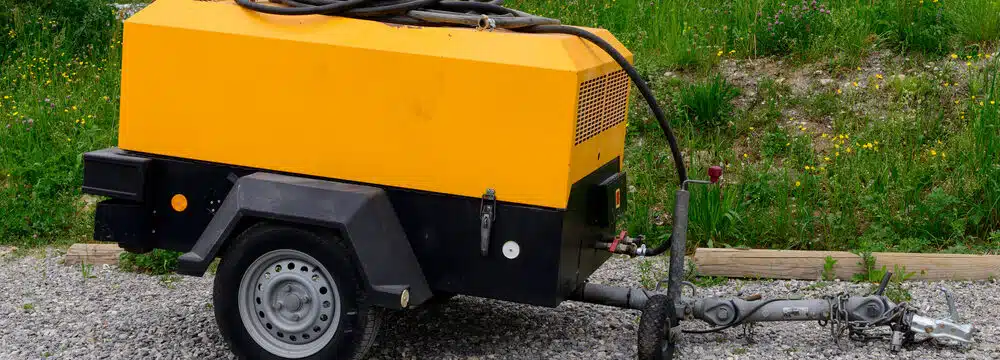
Outdoor and harsh environment applications pose unique challenges for compressed air systems. Exposure to extreme temperatures, dust, moisture, and vibration can quickly compromise standard compressors, causing downtime, maintenance headaches, or even premature failure. That’s why selecting a compressor for outdoor environments requires careful attention to durability, protection, and system design.
Whether you’re managing irrigation in agriculture, monitoring environmental conditions in remote locations, or powering equipment on a construction site, understanding the requirements of outdoor compressors is critical to long-term reliability and performance.
Understanding Environmental Challenges
Compressors operating outdoors face a range of stressors that indoor units rarely encounter:
- Temperature Extremes: Both high heat and freezing conditions can affect compressor performance. Excessive heat can reduce efficiency and shorten motor life, while freezing can cause fluid and seal damage.
- Dust and Particulates: Construction sites, farms, and industrial yards generate airborne dust, sand, or soil that can infiltrate compressors, clogging filters and damaging moving parts.
- Moisture and Humidity: Rain, snow, and high humidity increase the risk of corrosion and electrical issues. Water entering the air intake or motor can disrupt operation.
- Vibration and Shock: Outdoor compressors often sit on uneven surfaces or are mounted on vehicles, requiring resistance to constant vibration and occasional shocks.
A compressor that isn’t designed for these conditions is prone to failures that can be costly both in repair expenses and lost productivity.
Key Features to Consider
When selecting a compressor for outdoor environments, focus on features that enhance durability and protection:
IP Ratings and Enclosures
Ingress Protection (IP) ratings indicate how well a compressor is protected against solids and liquids. For outdoor use, look for IP-rated enclosures, typically IP54 or higher:
- IP54: Dust protected and resistant to water splashes from any direction.
- IP65: Dust-tight and protected against low-pressure water jets.
Weatherproof enclosures shield internal components from rain, dust, and debris, extending service life. Some units include additional gaskets, covers, or stainless-steel housings for enhanced protection.
Temperature and Thermal Management
Outdoor compressors should handle both high and low ambient temperatures. Features to look for include:
- Thermally rated motors and wiring
- Insulated housings or heated enclosures for winter operation
- Cooling systems capable of dissipating heat under direct sun or high loads
Proper thermal management ensures consistent pressure output and prevents overheating, even in extreme climates.
Dust and Moisture Resistance
Filters, seals, and air intakes should be engineered to handle dusty or humid conditions. Oil-less compressors are especially beneficial for outdoor applications where clean air is required but oil contamination could be a problem. Moisture traps and desiccant systems also improve reliability in wet environments.
Vibration and Shock Protection
For compressors mounted on mobile equipment, trucks, or uneven surfaces, vibration isolation mounts and reinforced frames reduce wear on internal components. Shock-absorbing feet or brackets help maintain alignment and prevent premature seal or bearing failures.
Example Industries Using Outdoor Compressors
Agriculture
From irrigation systems to greenhouse climate control, farmers rely on compressors to power sprinklers, pneumatic equipment, and air-driven tools. Dust, soil, and fluctuating temperatures make rugged compressors essential.
Environmental Monitoring
Air quality stations, water sampling systems, and remote sensors often operate in exposed areas. Reliable compressors maintain continuous airflow to sampling pumps and filtration systems, even in rain, snow, or high winds.
Construction and Heavy Equipment
Air tools, portable hydraulic systems, and site dewatering rely on compressors that can withstand dust, vibration, and moisture on a job site. Outdoor-rated units reduce downtime and maintenance needs under challenging conditions.
Other applications include aquaculture aeration, municipal water treatment, and renewable energy systems, all of which require reliable performance in outdoor or harsh environments.
Maintenance Considerations
Even the most rugged compressors need proper care to maintain performance outdoors:
- Regular Filter Cleaning: Dusty or sandy environments can clog intakes, reducing efficiency.
- Check Seals and Housings: Ensure gaskets and enclosures remain intact to prevent water ingress.
- Monitor Pressure and Temperature: Sensors help detect overheating or airflow reduction early.
- Lubrication (if applicable): Even oil-less units benefit from periodic inspection to prevent mechanical wear.
Following manufacturer guidelines for preventive maintenance is essential to maximize uptime in demanding outdoor settings.
TruNorth Components: Partner in Outdoor Reliability
For operators who rely on continuous performance in exposed locations, TruNorth Components provides compressors for outdoor environments engineered for reliability, durability, and long service life. Features like IP-rated enclosures, thermal protection, oil-less designs, and vibration-resistant construction make them ideal for agriculture, environmental monitoring, construction, and other harsh applications.
TruNorth works with clients to match compressors to specific operational needs, helping reduce downtime, extend maintenance intervals, and protect sensitive equipment.
Final Thoughts
Selecting a compressor for outdoor or harsh environments requires attention to temperature tolerance, dust and moisture resistance, vibration handling, and protective enclosures. A high-quality compressor for outdoor environments ensures reliable performance, long-term durability, and minimal maintenance, even in the most challenging conditions. TruNorth Components delivers outdoor-ready compressors that keep critical operations running smoothly, from farms and construction sites to environmental monitoring stations and aquaculture systems.